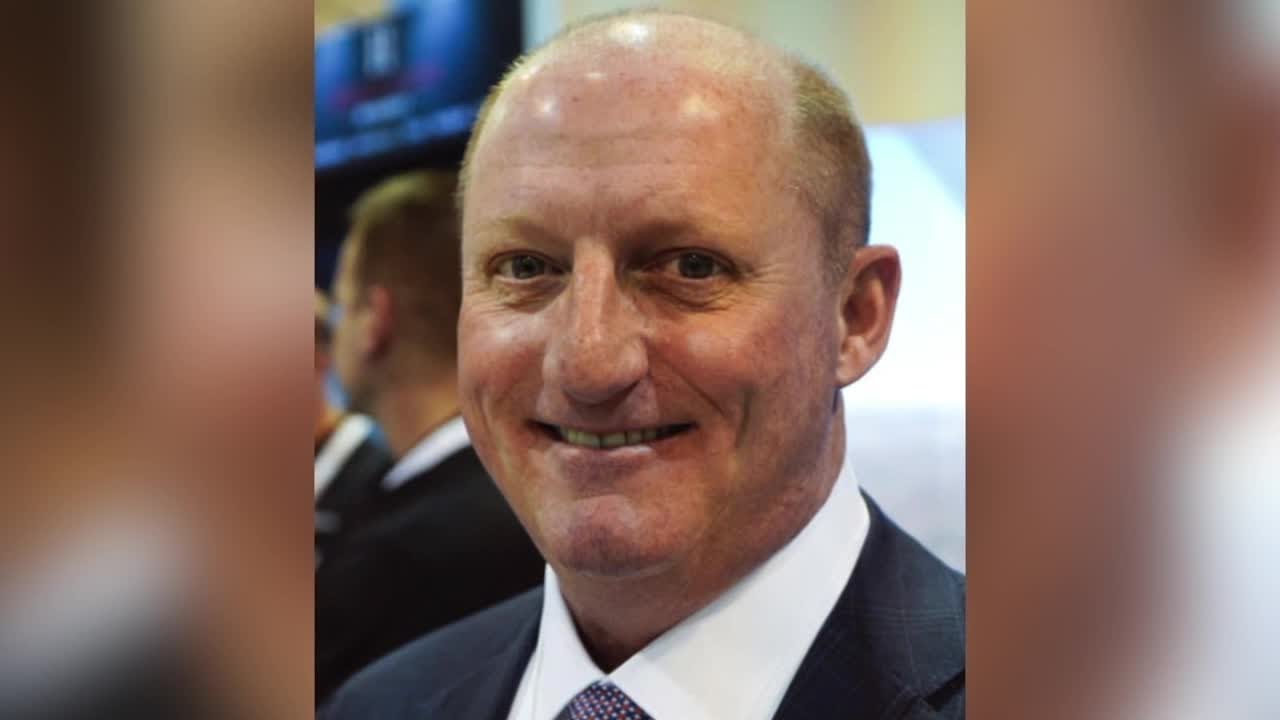
New Berkshire CEO Greg Abel Faces Profit Dip, Pledges Fortress Balance Sheet
The changing of the guard at one of the world's most iconic conglomerates is rarely without its challenges, and Berkshire Hathaway is no exception. With Warren Buffett stepping back from the CEO role, the spotlight has firmly landed on his successor, Greg Abel. In his inaugural annual letter to shareholders, Berkshire CEO Greg Abel sought to reassure investors amidst a reported dip in profits, emphasizing a steadfast commitment to the company's "fortress-like" balance sheet and the enduring values instilled by his legendary predecessor. This letter marks a pivotal moment, as Abel begins to put his own stamp on the multi-trillion-dollar empire, while navigating investor expectations and market dynamics.
The transition comes at a time when Berkshire Hathaway reported a significant decline in both operating profit and net income, partly due to specific writedowns. However, Abel's message was clear: continuity and deliberate action are paramount. He aims to project an image of steady stewardship, ensuring that the essence of what made Berkshire a powerhouse remains intact, even as he faces the immense task of guiding its future growth and maintaining investor confidence.
Upholding the Legacy: The "Fortress" and Buffett's Blueprint
One of the most powerful messages from Berkshire CEO Greg Abel's first shareholder letter was his unequivocal pledge to maintain Berkshire’s "fortress-like" balance sheet. This isn't just a turn of phrase; it's a core tenet of Berkshire's long-term strategy, symbolizing robust financial health and resilience against economic shocks. For decades, Warren Buffett championed the idea of holding substantial cash reserves to seize opportunities during market downturns and to provide an unshakeable foundation for Berkshire's diverse portfolio of businesses.
Abel, 63, is clearly keen to reinforce this foundational principle. By directly invoking the "fortress" imagery, he signals to shareholders that while the captain may have changed, the ship's fundamental course—and its structural integrity—remain the same. This approach is particularly reassuring in an uncertain global economic landscape, where liquidity can be a company's greatest asset. Abel's homage to Buffett, whom he called "remarkable" and "arguably the greatest investor of all time," further solidifies this message of continuity. It acknowledges the immense trust investors have placed in Berkshire through Buffett and asserts that this trust will now transition under Abel's guidance.
Analysts like Cathy Seifert of CFRA Research noted that Abel "needed to show a degree of continuity, that the Berkshire franchise would continue despite the change in leadership, and it would be business as usual." His letter, though lacking Buffett’s signature rhetorical flair, successfully conveyed this message. It underscored that Abel has no intention of upending the 60 years of work that transformed Berkshire from a struggling textile mill into a sprawling conglomerate encompassing industry giants like car insurer Geico, BNSF railroad, and dozens of other insurance, manufacturing, energy, and retail operations. For many, this continuity is precisely what provides comfort, dispelling any doubts about whether Abel is the right individual to take the reins.
Navigating Profit Headwinds: Deconstructing the Numbers
Despite the strong message of continuity and financial prudence, the financial results reported alongside Abel's letter presented a more challenging picture. Berkshire Hathaway reported a significant decline in profitability, with fourth-quarter operating profit falling 30% to US$10.2 billion. This dip was primarily attributed to a decline in income from key insurance operations, including Geico. For the full year 2025, operating profit experienced a 6% decrease, settling at US$44.49 billion.
The net income figures also saw a decline, dropping 3% in the fourth quarter to US$19.2 billion and a more substantial 25% for the full year 2025, reaching US$66.97 billion. These figures were heavily impacted by significant writedowns, notably a US$4.5 billion charge related to its approximately 27% stake in Occidental Petroleum, as well as writedowns for its stake in Kraft Heinz. It's crucial for investors to distinguish between operating profit, which reflects the performance of Berkshire's underlying businesses, and net income, which can be heavily swayed by non-cash accounting adjustments and market fluctuations in equity holdings. Warren Buffett himself has long urged investors to disregard the volatility of net income for this very reason, preferring to focus on the performance of Berkshire’s core operations.
Insight for Investors: When evaluating conglomerates like Berkshire, it's vital to look beyond headline net income figures. Examine operating earnings, cash flow, and the performance of individual business segments. Writedowns, while impacting the bottom line, often don't reflect the long-term health or operational efficiency of the underlying investments. Understanding the difference helps in making informed investment decisions and not overreacting to short-term accounting adjustments.
Strategic Capital Deployment: The Dry Powder Dilemma
A key focus of Abel’s letter was Berkshire’s substantial cash stake, which stands at a near-record US$373.3 billion. Rather than signaling an immediate rush to deploy this immense capital, Abel adopted a cautious and measured tone. He emphasized that this cash provides Berkshire with plenty of "dry powder" – a strategic advantage to be utilized judiciously when the right opportunities arise. This mirrors Buffett's long-held philosophy of patiently waiting for "fat pitches" rather than forcing acquisitions.
Abel made it clear that capital deployment would remain "intentional and deliberate." This commitment extends to the company’s dividend policy, or lack thereof. Like Buffett before him, Abel has no plans to initiate dividend payments. This stance aligns with Berkshire’s historical strategy of reinvesting earnings back into its businesses or using them for strategic acquisitions, believing that this approach generates greater long-term value for shareholders than distributing cash. The company also hasn't repurchased its own stock since the spring of 2024, indicating a preference for maintaining liquidity and optionality.
Abel's Berkshire: Upholding Buffett's Legacy Amidst Strategic Challenges involves navigating the dual challenge of preserving a vast cash reserve while also finding suitable avenues for growth. The dilemma of holding such a significant cash pile is two-fold: on one hand, it offers unparalleled security and flexibility; on the other, it can be seen as an opportunity cost, especially during periods of inflation where cash can lose purchasing power. Abel’s approach suggests a continued focus on large-scale, value-accretive acquisitions that meet Berkshire’s stringent criteria, rather than chasing market trends or yielding to pressure to simply put cash to work for its own sake.
The Path Forward: Abel's Vision and Investor Confidence
The period since Buffett unexpectedly announced he was stepping aside as CEO has seen Berkshire shares significantly underperform the Standard & Poor’s 500 index. This underperformance could be attributed to a natural market apprehension following such a monumental leadership change, coupled with the reported profit dip. However, Berkshire CEO Greg Abel's initial communication has largely been seen as a steady hand, crucial for calming investor nerves and setting the stage for his long tenure.
Abel's letter underscores a leadership style that, while perhaps less theatrical than Buffett's, is equally focused on transparency and prudent management. His background, primarily in Berkshire's energy and non-insurance operations, brings a different set of experiences to the top role, potentially shaping future strategic directions without abandoning the core principles. The challenge for Abel will be to not only maintain the status quo of operational excellence and financial strength but also to find new engines of growth for a company already of colossal scale.
Actionable Advice for Shareholders: Patience is key. Leadership transitions, especially at companies with such a strong founder identity, often involve an adjustment period for both the company and the market. Focus on Abel's long-term strategic pronouncements, his commitment to capital discipline, and the continued strength of Berkshire's underlying businesses rather than short-term market fluctuations or quarterly net income figures distorted by non-cash items. Look for consistent operational performance and thoughtful capital allocation over the coming years as Abel fully implements his leadership.
In conclusion, Greg Abel's debut as Berkshire Hathaway CEO arrives with a profit dip but also a clear message of reassurance and continuity. His first annual letter firmly establishes his commitment to the "fortress-like" balance sheet and the enduring values championed by Warren Buffett. While navigating the immediate challenge of declining profits and market underperformance, Abel's measured approach to capital deployment and emphasis on deliberate action aim to instill confidence that Berkshire's future is in capable hands. The path forward for Berkshire CEO Greg Abel will undoubtedly be scrutinized, but his initial moves suggest a strong foundation built on heritage, prudence, and a clear vision for sustained, long-term value creation.